
.svg)

Jaw Pain, Headaches, and Ear Pain: Could It All Be TMJ? | Wesmark Family Dentistry

Many people spend months or even years managing pain in different parts of their head and face without realizing the symptoms are all connected. What feels like a tension headache, an ear infection, or chronic neck pain may actually trace back to a single source involving the jaw joint.
Understanding how these symptoms connect is the first step, and exploring TMJ treatment in Sumter, SC, with a qualified provider can finally bring the answers and relief that have been missing.

What Is TMJ and Why Does It Cause So Many Symptoms?
What Does the TMJ Actually Do?
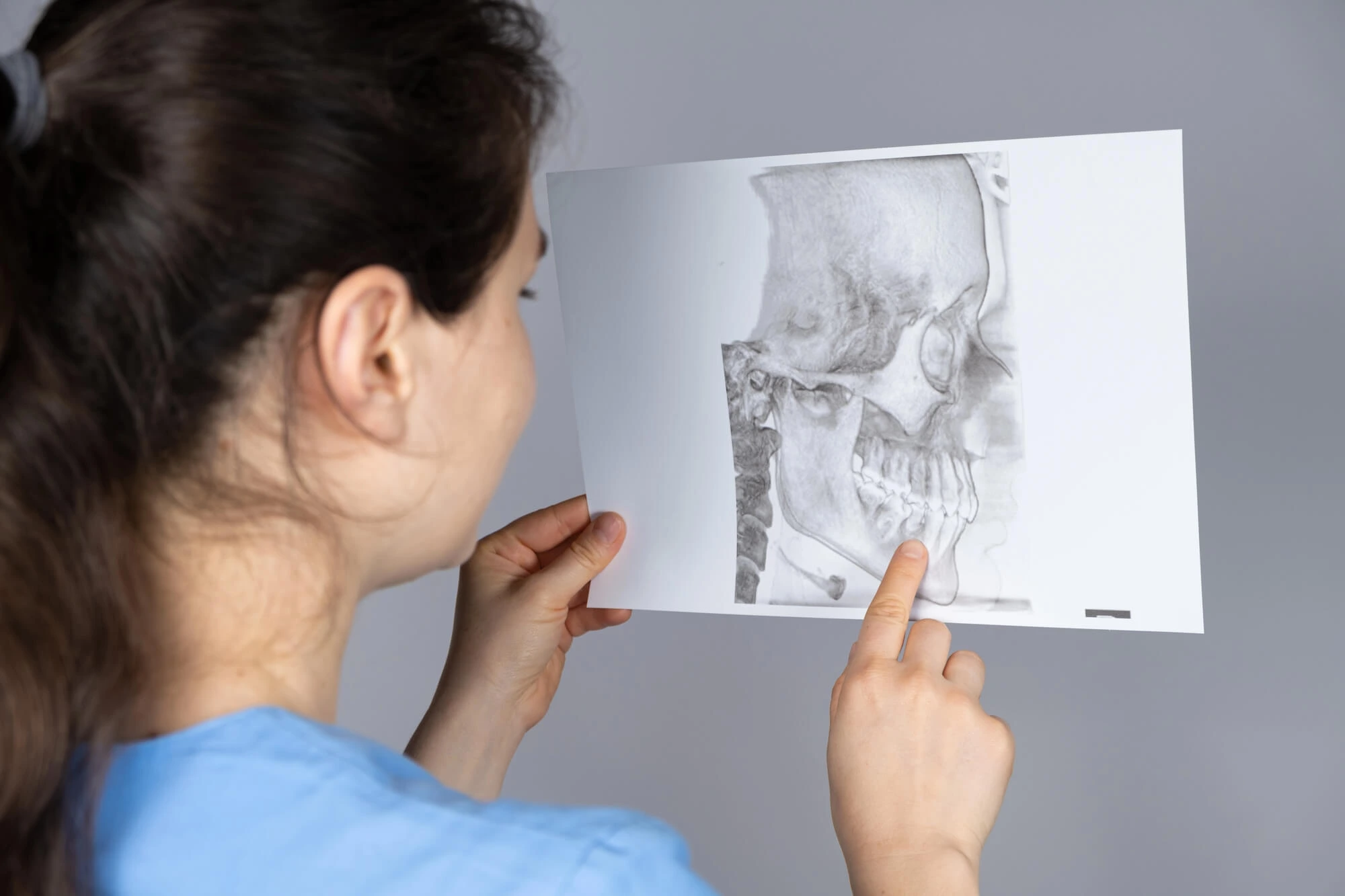
The temporomandibular joint connects the lower jaw to the skull on both sides of the face and controls every movement involved in chewing, speaking, and yawning.
When this joint becomes inflamed or misaligned, the effects can radiate outward to the muscles, nerves, and tissues surrounding it, which explains why TMJ disorders produce such a wide and seemingly unrelated range of symptoms.
Why Are TMJ Disorders So Often Misdiagnosed?
Because TMJ symptoms overlap with conditions like migraines, ear infections, and sinusitis, patients frequently receive treatment for the wrong problem.
TMJ disorders affect the jaw joint and surrounding muscles in ways that mimic other conditions closely enough to lead both patients and providers toward incorrect conclusions for months or years.
Could My Symptoms Be TMJ?
Is Jaw Pain Always the First Sign?
Not necessarily. Many patients with TMJ disorders report that jaw pain was not their primary complaint, with headaches, ear fullness, or neck tension appearing first. TMJ disorders can cause pain in the jaw joint itself, the surrounding facial muscles, the neck, shoulders, and even the upper back, depending on how the dysfunction is affecting muscle tension patterns.
Why Do TMJ Disorders Cause Headaches?
The muscles that control jaw movement connect directly to the muscles around the temples and skull base.
When those jaw muscles are chronically tense or overworked from clenching or grinding, they pull on surrounding structures and cause the same type of pain as a tension headache, often most intense in the morning after sleep.
Can TMJ Really Cause Ear Pain Without an Infection?
Yes, and this is one of the most commonly confused TMJ symptoms. The temporomandibular joint sits directly in front of the ear canal, and inflammation or dysfunction in that joint can produce sensations of ear pain, fullness, ringing, or muffled hearing that have nothing to do with an actual ear problem.
Patients who have been treated repeatedly for ear infections without improvement are often eventually diagnosed with TMJ.
What Other Symptoms Are Associated With TMJ Disorders?
A range of additional symptoms are commonly linked to TMJ dysfunction, including:
- Clicking, popping, or grinding sounds when opening or closing the jaw
- Difficulty opening the mouth fully or jaw locking in position
- Facial soreness or tightness, especially in the mornings
- Tooth sensitivity or pain without visible decay
- Neck and shoulder muscle tension that does not resolve with rest
- Dizziness or a feeling of imbalance
What Can Be Done About TMJ Symptoms?
Does TMJ Require Surgery?
Most TMJ cases are managed successfully without surgery. Conservative, reversible treatments such as custom oral appliances, bite adjustments, physical therapy, and lifestyle modifications address the majority of cases when identified early and treated consistently.
How Does a Dental Evaluation Help?
A comprehensive dental evaluation includes an assessment of the bite, jaw range of motion, muscle tenderness, and joint sounds, which together provide a clear picture of whether TMJ is the underlying cause of a patient's symptoms. This evaluation is typically the starting point for building an effective treatment plan.
Get TMJ Treatment in Sumter, SC
At Wesmark Family Dentistry, we take a thorough, patient-centered approach to evaluating and treating TMJ disorders, addressing both symptoms and the underlying causes.
Whether the concern is chronic jaw pain, unexplained headaches, or unresolved ear discomfort, the team is equipped to identify the issue and create a plan that delivers lasting relief. Schedule your evaluation today and find out whether TMJ is behind the symptoms affecting your daily life.
